Authenticity Over Expectations
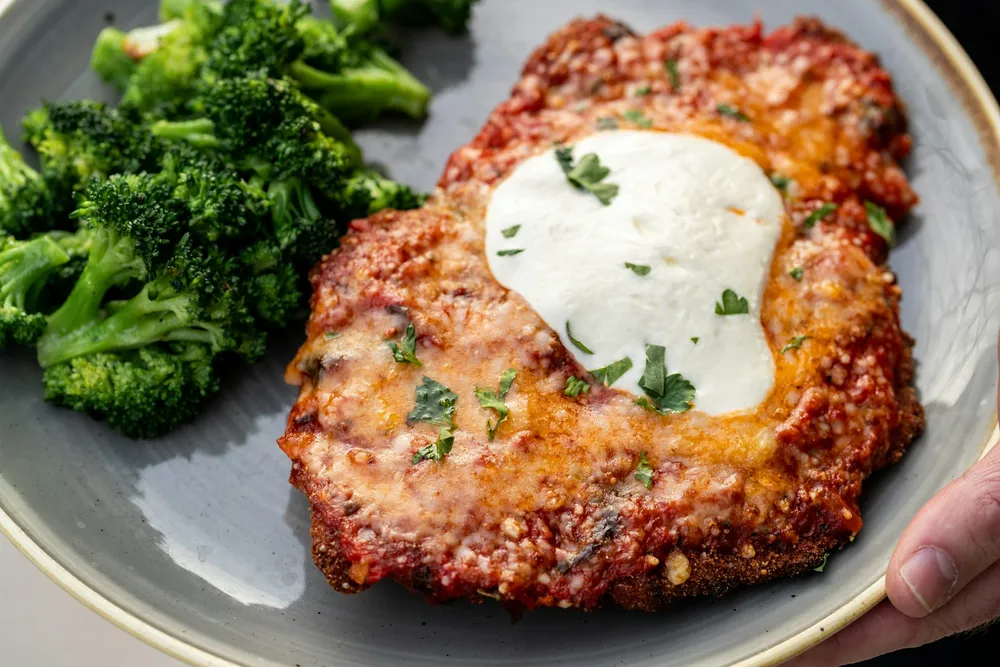
At least once a week, someone asks us why chicken parmesan isn’t on our menu. It’s a fair question—after all, it’s become synonymous with Italian-American dining. But the answer gets at the heart of what we’re trying to do here, and it’s worth explaining.
Chicken parmesan, as Americans know it, doesn’t exist in Italy. Neither does fettuccine alfredo (butter and cheese on pasta is common, but not as a heavy cream sauce), nor spaghetti and meatballs served together (meatballs are typically a separate course). These dishes were created by Italian immigrants in America, adapting their home cooking to available ingredients and American tastes. They’re delicious, and they have their own rich history, but they’re Italian-American, not Italian.
When we opened this restaurant, we made a conscious decision to focus on regional Italian cuisine—the dishes you’d actually find if you traveled through Italy’s twenty regions. This means our menu looks different from what many people expect from an “Italian restaurant.” And we understand that can be jarring at first. But here’s what we believe you gain from this approach: discovery. When you come here, you’re not just eating familiar comfort food (though we hope our dishes become comfort food for you). You’re experiencing the incredible diversity of Italian cooking. You’re tasting the anchovy and garlic notes of authentic Piedmontese bagna cauda, the briny intensity of Neapolitan spaghetti alle vongole, the earthy simplicity of Tuscan ribollita.
Italy’s regional cuisines are shaped by geography, history, and local ingredients. Coastal regions feature abundant seafood. Northern regions, which border France and Austria, show those influences in their use of butter and speck. Southern regions, bathed in Mediterranean sun, celebrate tomatoes, olive oil, and vegetables. Each region has its signature pastas, its traditional preparations, its local wines.
By focusing on these authentic regional dishes, we’re also able to source more thoughtfully. Our Orecchiette alle Cime di Rapa uses broccoli rabe because that’s what grows abundantly in Puglia, where this dish originates. Our Tagliatelle alla Bolognese follows the traditional recipe registered with the Bologna Chamber of Commerce—no garlic, no basil, just a slow-cooked ragù of meat, tomato, and milk.
Does this mean we think Italian-American food is somehow inferior? Absolutely not. Food evolves, and the Italian-American canon represents an important chapter in American culinary history. Those dishes fed generations of immigrants and their children. They’re nostalgic and comforting, and we respect that entirely.
But there are dozens of restaurants serving excellent Italian-American food. Our goal is different: we want to be a place where you can experience the Italy that exists today, in all its regional variety. We want you to taste dishes you might not have heard of, to expand your understanding of what Italian food can be. Sometimes this means gently guiding diners away from their expectations. When someone asks for chicken parmesan, we might suggest our Pollo alla Cacciatora—hunter’s chicken braised with tomatoes, wine, and herbs—which offers similar flavors in a more traditional preparation. Instead of fettuccine alfredo, we steer people toward our Cacio e Pepe, where the sauce is built from pasta water, Pecorino Romano, and black pepper, creating something simultaneously simpler and more elegant.
The truth is, taking this approach is harder. It requires more explanation, more education, more patience. We have to train our staff extensively on regional Italian cuisine. We have to source specific ingredients. We sometimes disappoint diners who came expecting one thing and found another.
But the reward is in those moments when someone tries orecchiette for the first time and falls in love. When a guest returns from a trip to Italy and tells us our Carbonara tasted just like what they had in Rome. When people begin to see Italian food not as a monolith, but as a diverse, complex cuisine with centuries of tradition behind it.
So no, we don’t serve chicken parmesan. But we do serve chicken, parmesan cheese, and tomatoes—just not in the way you might expect. And we think that’s worth celebrating.
Published Date
07/04/2026
Category
Opinions